
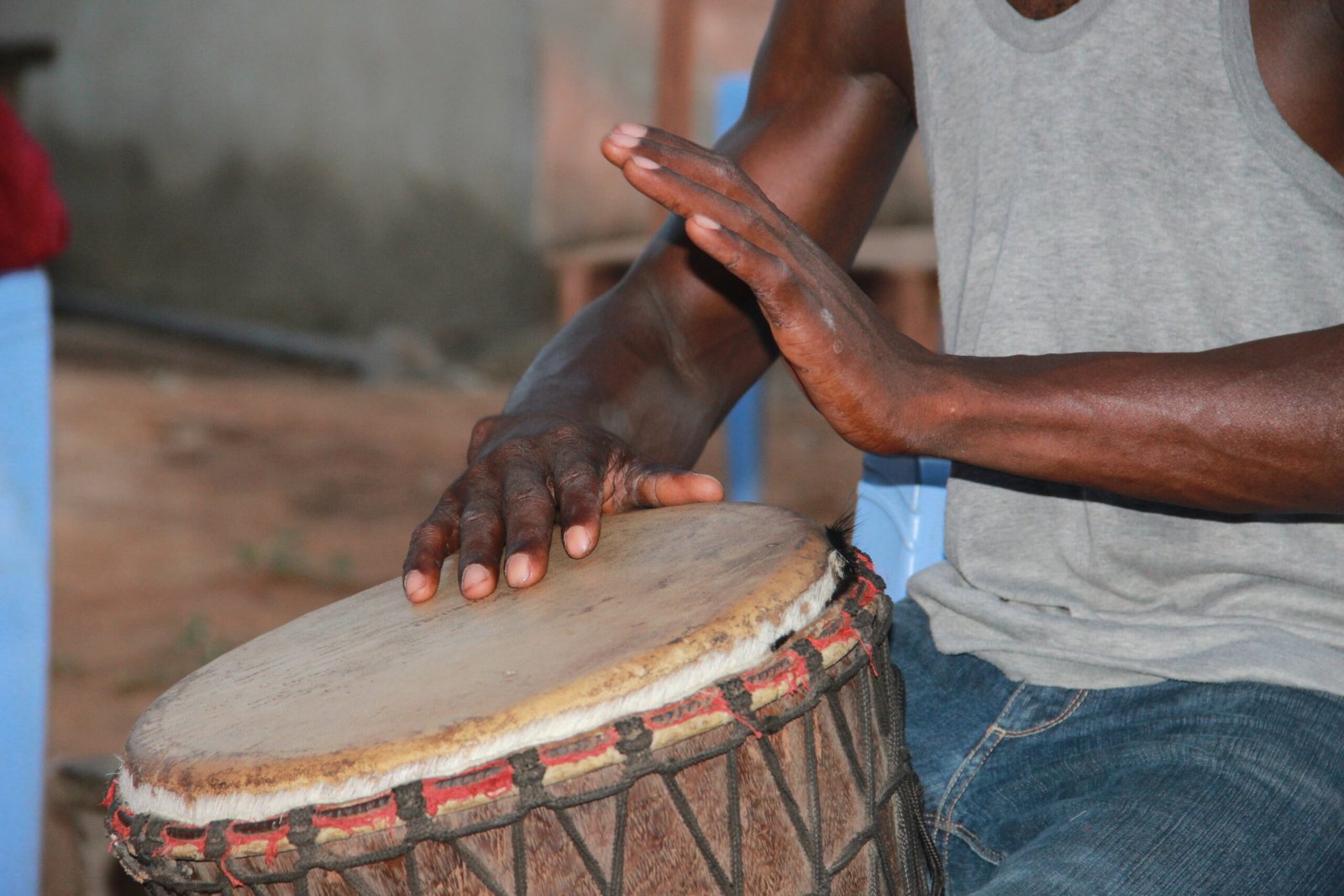
Drumming is more than just music—it’s a powerful tool for the mind, body, and spirit. Playing drums in a group has been shown to relieve stress, reduce anxiety, boost brain function, and create a deep sense of joy. It’s an activity that improves overall quality of life while connecting participants to rhythm, community, and themselves.
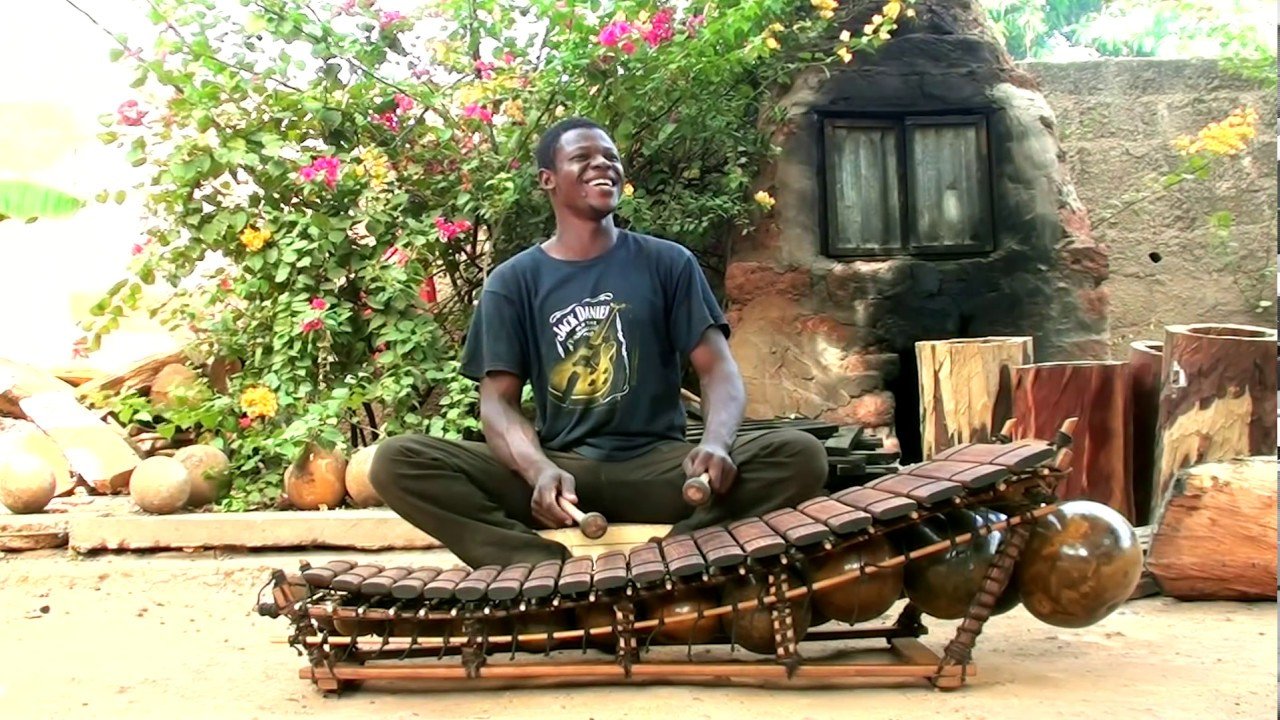
Over 2,500 years ago, the discovery of iron profoundly transformed African societies. Nomadic groups began to settle, social hierarchies emerged, and skilled blacksmiths became central figures in daily life. Their mastery over fire and metal made them indispensable—they forged weapons for hunting, tools for farming, and utensils for cooking.
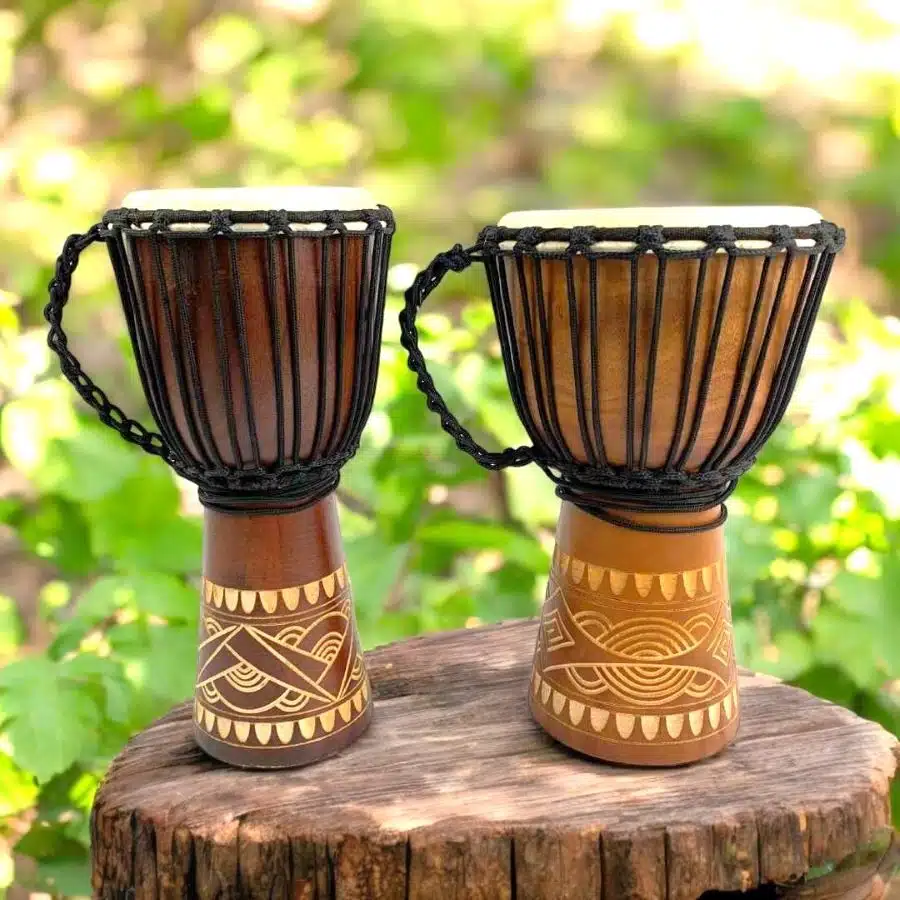
African music is as vast and diverse as the continent itself. With hundreds of cultures and over a thousand languages, it is impossible to define African music as one single style or sound. For centuries, music has been passed down orally—from generation to generation—through storytelling, drumming, singing, and dance. Rather than separating music from daily life, many African cultures view music, movement, and community as deeply interconnected. In fact, in some traditions there is no separate word for “music” as it exists in Western thought—music, dance, and life itself are intertwined.
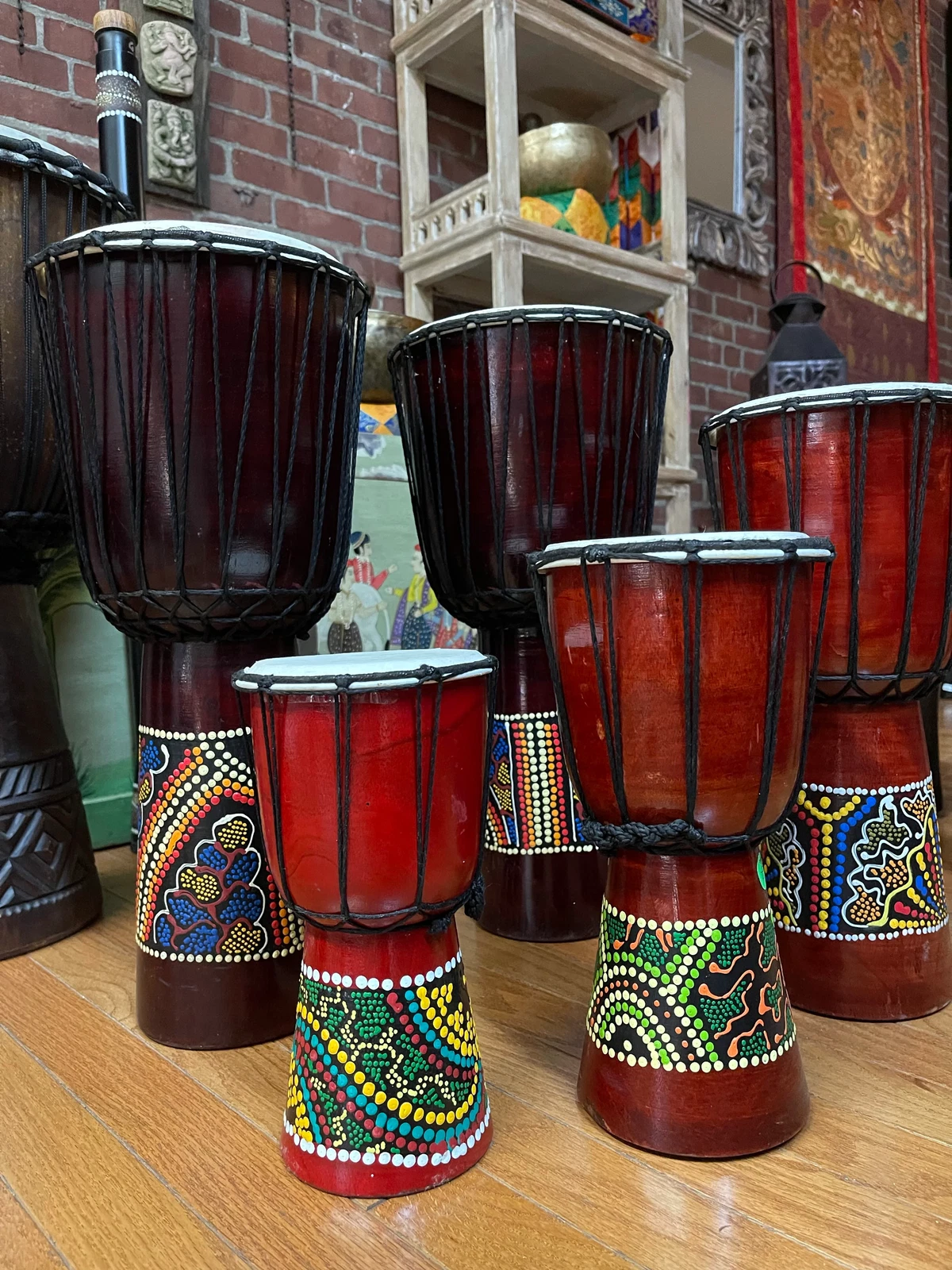
Choosing the right djembe is an investment in your sound, your growth, and your overall playing experience. At DrumConnection, we’ve spent decades working directly with West African carvers and drummers, and one thing is clear: not all djembes are created equal. While you can find inexpensive drums in big-box stores or online marketplaces, many are mass-produced with low-quality wood, thin skins, or weak rope that won’t hold tuning. A well-made djembe should feel balanced, resonate clearly, and inspire you the moment you play it.